E-COMMERCE
My Role
Timeline
Team
1 Marketing Manager
1 Designer
CLIENT
Base London
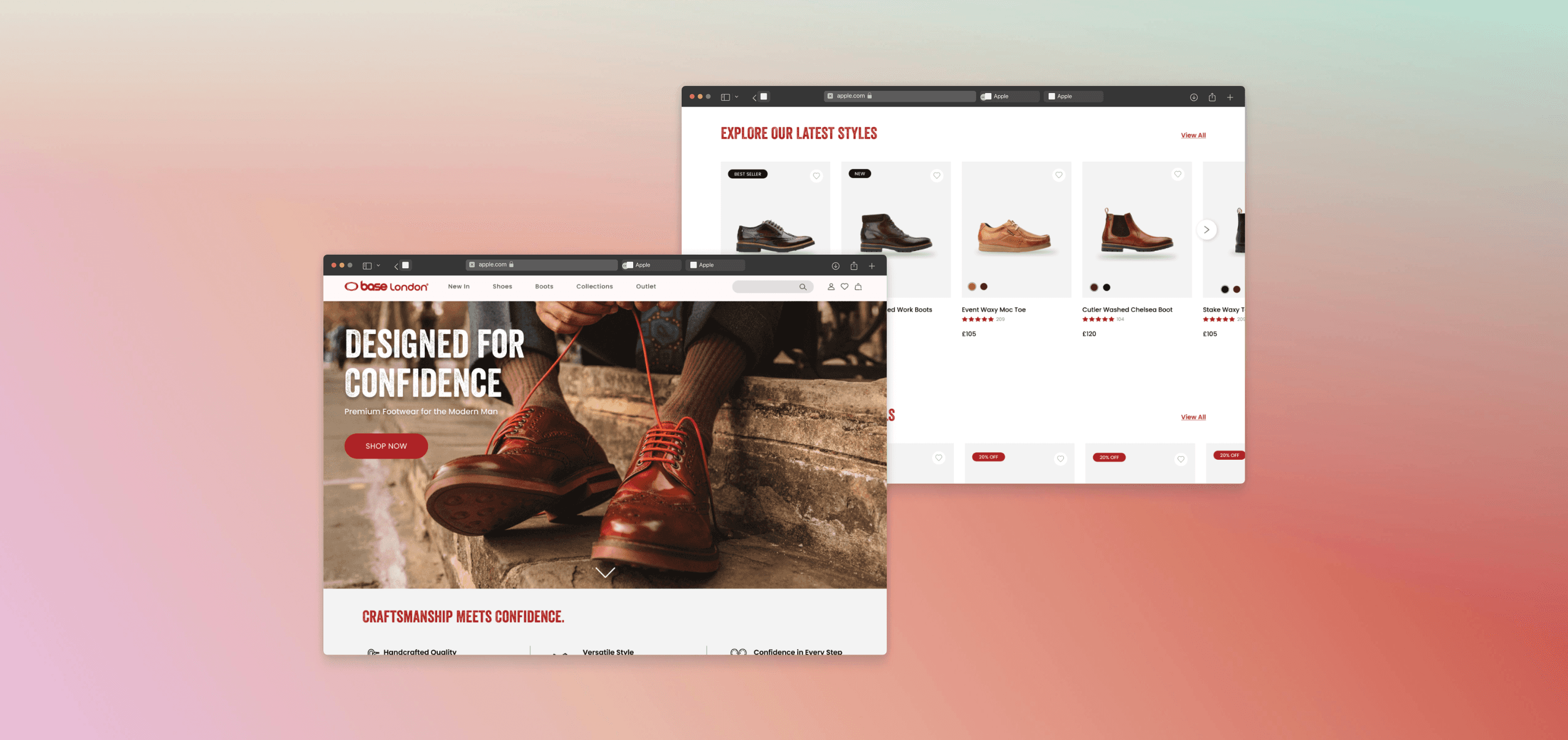
Overview
+30%
Projected CTA click-through increase
-25%
Expected bounce rate reduction
-20%
Scroll depth reduction before CTA
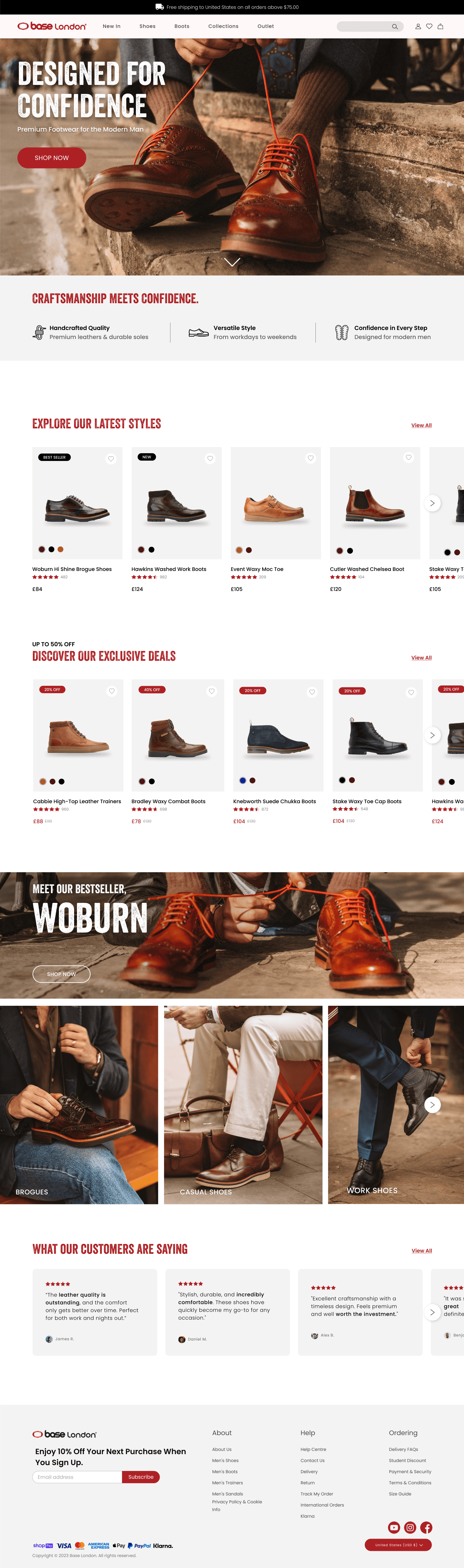

Problem
68%
Bounce rate
vs. 40–55% industry average
1.2%
CTA click rate
vs. 2.5–3% industry average
How Might We
Research & Audit
01
Brand identity
"We want our brand to feel premium and distinctive."
→ Strengthen brand identity and create a premium feel
02
Product engagement
"We need to showcase what customers love."
→ Increase engagement by featuring best-selling products
03
Conversion
"Above all, we need to improve our conversion rates."
→ Optimize user journey to drive conversions
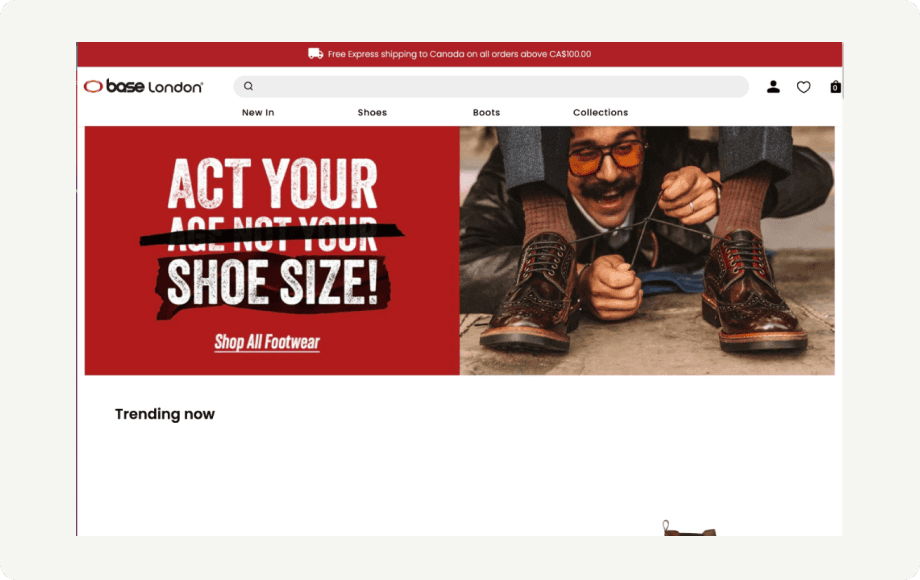
Design Strategy
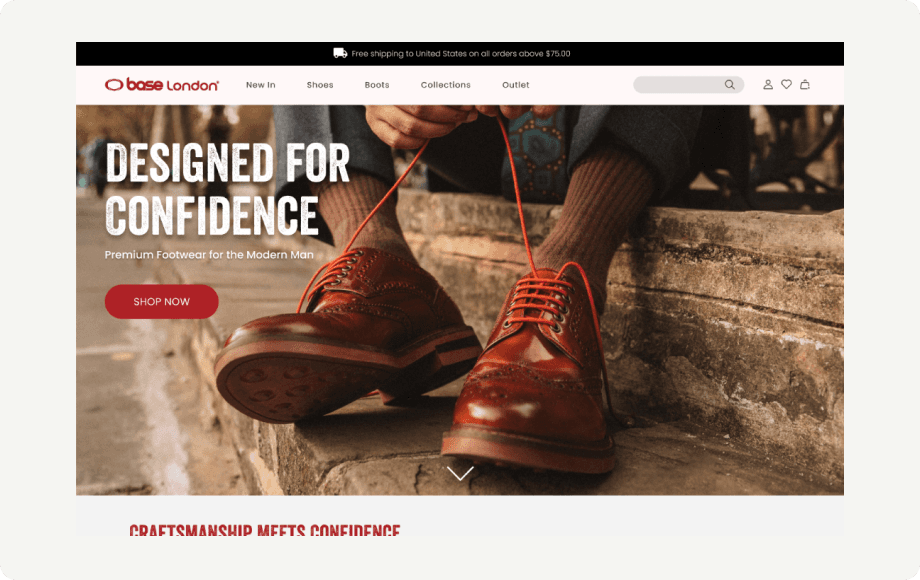
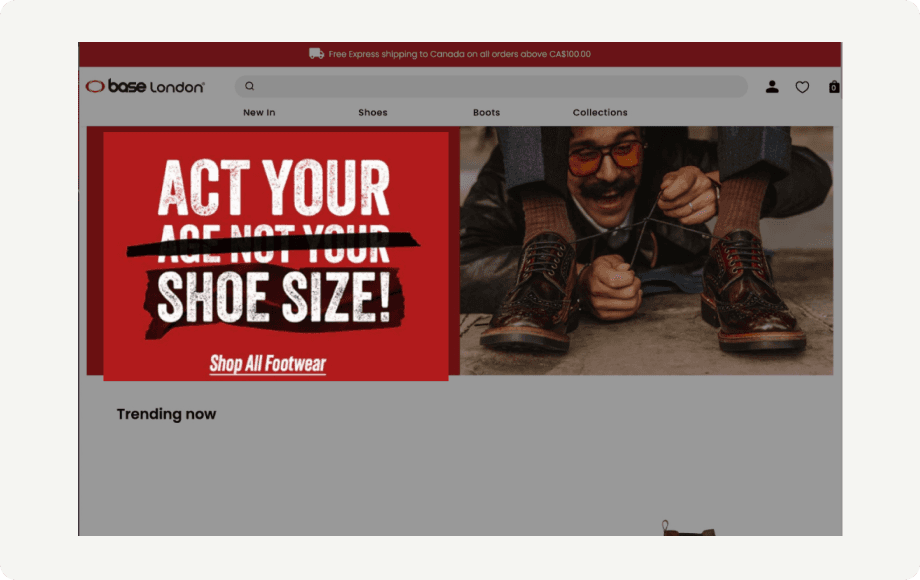
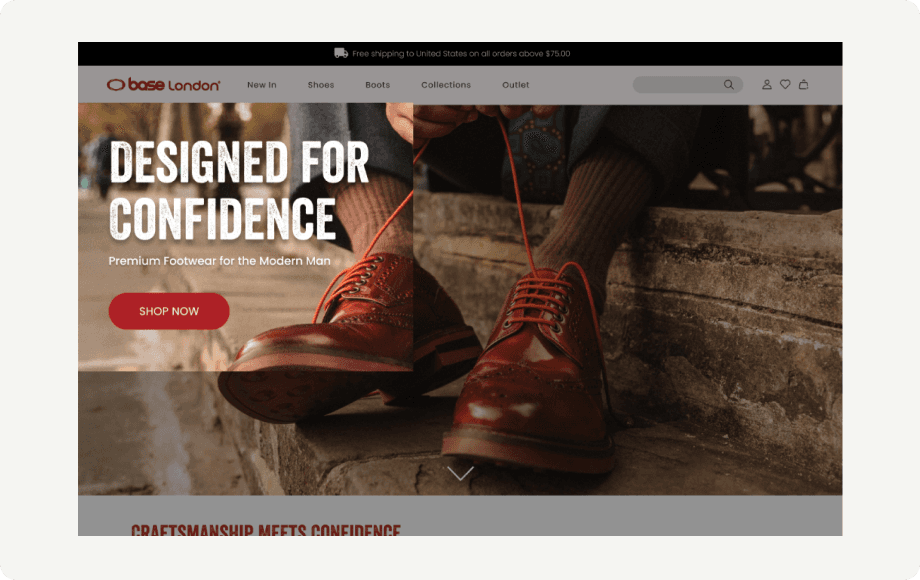
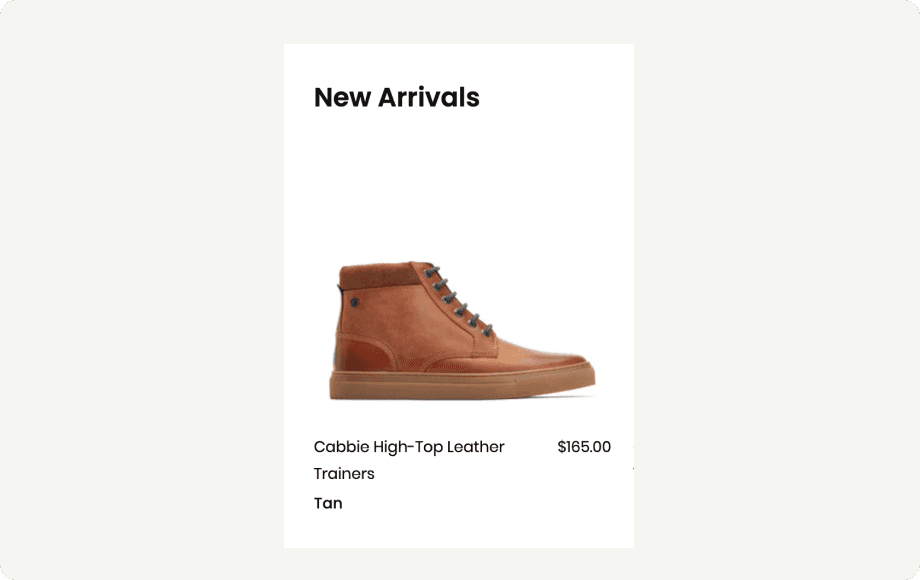
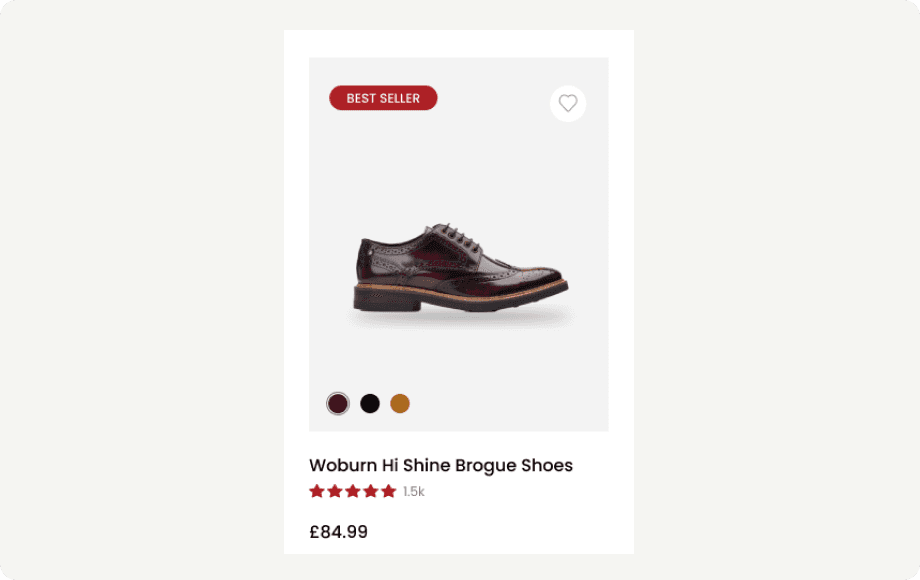
Projected Impact
20–25%
Bounce rate reduction
30–40%
CTA click rate increase
~30%
Scroll depth reduction
Reflection
01
Data reveals what users won't say
Usability data helped uncover pain points and refine assumptions around product discovery and bounce behavior, especially for mobile-first flows.
02
Designing with intent leads to results
Applying UX heuristics and prioritizing content hierarchy boosted clarity and minimized user friction, aligning with both user expectations and business goals.
03
Business goals and user needs can align
Design solutions that addressed usability also supported revenue drivers like promo visibility, category exploration, and conversion actions.
→
Areas for improvement
Integrate usability testing earlier in the process to uncover conversion barriers sooner. Set up post-launch metrics and dashboards for continuous optimization.